

Read Our Story
Each story you read here holds the truth we could not unsee — and a reason Eyes for Mercy was born. We share them because they show what’s at stake, and why this work cannot stop.
What we witnessed wasn’t isolated. Research shows that animal cruelty rarely exists on its own, when harm is allowed to continue with animals, it often appears in other parts of life too.*
Recognizing that connection is one of the reasons our work matters, because protecting animals also protects our communities. More about us .
*Sources: FBI NIBRS Animal Cruelty Data Collection (2016–present); Ascione, F. R. (1998–2011) research on animal abuse & family violence; DeGue & DiLillo, Clinical Psychology Review (2009);National Coalition Against Domestic Violence (NCADV) reporting.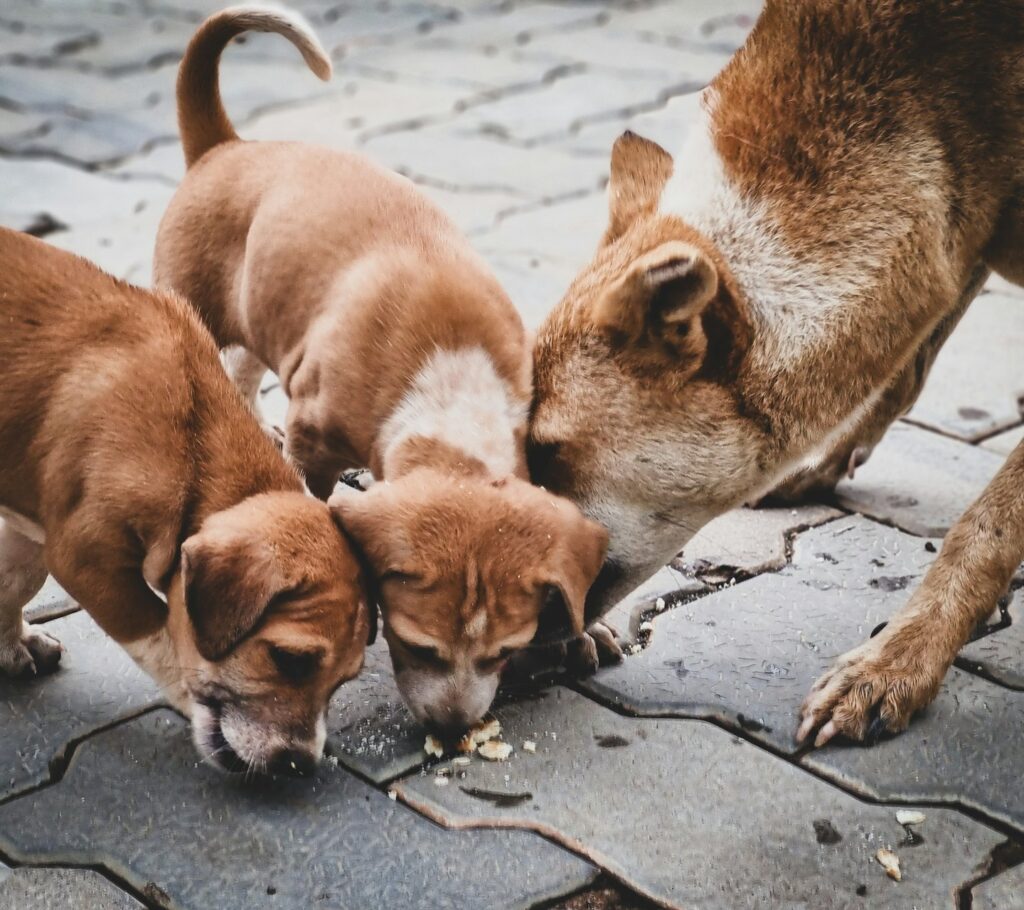
Because what we saw demanded change.
So we begin where everything changed. This is where it began.
The Shift
For decades, our founder, Dee, lived in the world of data. She built systems that brought order to complexity — models that revealed hidden patterns and dashboards that helped leaders see clearly. But alongside that work, another life was unfolding. Over several years, Dee became deeply embedded in the rescue community — supporting animals through direct donations, helping fund urgent medical care, networking across shelters and rescues, and amplifying emergency pleas to move animals out of immediate suffering and into safety
Yet no matter how much effort, money, or advocacy she poured in, one truth followed her home: the numbers that broke her heart weren’t in any system she could access. They were in rescue posts shared too late, in cruelty cases that slipped through the cracks, in animals lost not for lack of compassion, but for lack of connection, visibility, and shared knowledge.
That realization became a question she couldn’t ignore: what if compassion had the same tools she’d spent her career building for corporations? What if the same intelligence that drives profit could instead drive mercy?
From that question, Eyes for Mercy was born — not as an abstract idea, but as a response to years of witnessing where the system fails. We are building the infrastructure cruelty prevention has always needed: a place where shelters, law enforcement, rescues, donors, and advocates can share reliable information, recognize patterns of harm, and intervene before suffering repeats itself.
Eyes for Mercy is more than technology — it’s a commitment to justice. It stands with every animal whose pain could have been prevented, and with those still waiting for help to come. When compassion becomes action, justice has a chance.

What Mercy Looks Like
As President of Eyes for Mercy, Elle leads with a conviction shaped by her own story: mercy has always had a heartbeat. It has fur, trusting eyes, and a name she once gave to a dog who had none.
Over the years, she’s rescued more dogs than most people ever meet — six at one point, each one broken in a different way but loved as family from the moment they arrived. Her home became a place of second chances, where healing was measured not in perfection, but in peace.
There was the night she drove across state lines for a dog who had been run over — not by accident, but by cruelty. The cost of his surgery was $12,000, but the real price would’ve been doing nothing. She paid it, stayed by his side through every tremor and scar, and when no one else would take him, she adopted him. He never left her side again.
That’s what mercy looks like when it moves — when it drives six hours one way, when it opens its door again and again, when it refuses to believe that suffering is ever “someone else’s problem.”
Elle knows what’s at stake when cruelty goes unseen — and what’s possible when love becomes action. Her home still echoes with the paws of those she’s rescued, but her purpose now reaches far beyond her own doorstep. Through Eyes for Mercy, she’s helping build what she once wished existed — a way to connect compassion with action so no animal’s suffering is left unseen or forgotten.
Because They Should Have Lived
There was a dog found as a stray. From the beginning, she was gentle and trusting — the kind of dog who leaned in when someone spoke softly, who wagged her tail before she even knew what was being asked of her. She passed her intake evaluations, walked calmly on a leash, and greeted other dogs with patient curiosity. Staff described her as affectionate. Volunteers said she was easy to adopt. She was healthy, social, and ready for a home.
Even so, she was placed on the euthanasia schedule — not because of behavior or illness, but because she was simply next.
A family saw her photo and chose her. They completed the adoption paperwork and placed a confirmed adoption hold. She was spoken for. She had a home waiting. She had every reason to make it out of the shelter alive.
But when the adopter arrived to pick him up, she was gone. She had been euthanized despite the confirmed hold. No mistake notification. No call. No explanation that made sense.
A dog who was healthy, wanted, and ready for a new life was still euthanized — not because she was unsafe, and not because she was overlooked — but because the systems responsible for protecting her failed to do what they were obligated to do.
We remember her because her loss reveals something crucial: cruelty is not always a single deliberate act. Sometimes it is the result of decisions made without care, without accountability, and without recognition of what is at stake. A life was ended when it didn’t have to be.
She — and countless others like her — is one of the reasons Eyes for Mercy began. We exist to bring visibility to decisions like this, where responsibility is unclear and consequences fall on the most vulnerable. We exist to ensure that when a commitment is made to an animal, it is honored. We exist so that “she was on hold” actually means something.
She should have made it out.
Because of Those Still Waiting
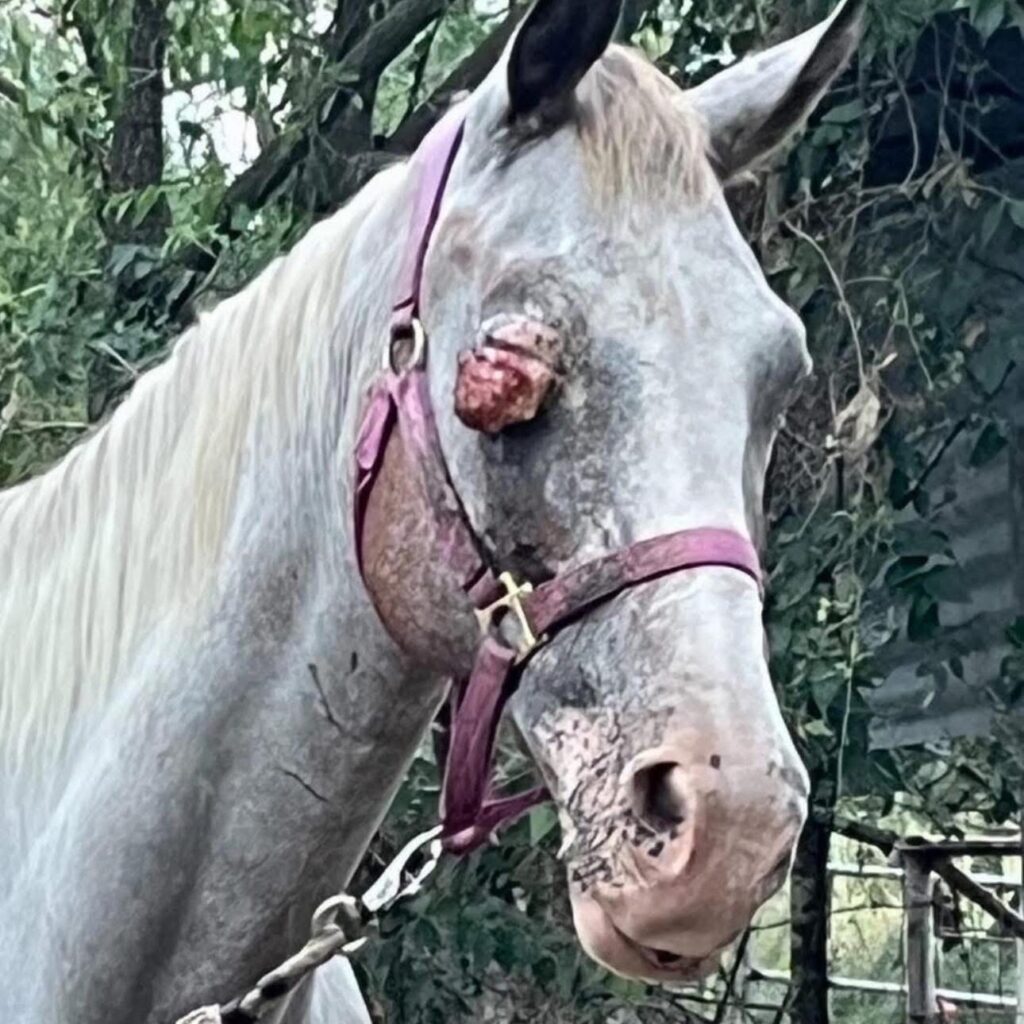
It started with a simple realization: mercy alone wasn’t enough.
We could love the animals, rescue them, fight for them — but without the tools to track cruelty, we were always too late. Compassion needed vision.
Eyes for Mercy began as that vision — a vision of a world where no cruelty case slips through the cracks. Where shelters don’t have to guess. Where law enforcement can see repeat offenders before another animal suffers. Where communities have the data to act — not just react.
We imagined a future where stories of suffering become stories of prevention. A shelter director cross-checks a cruelty report and stops a known abuser from adopting again. A policymaker sees the map of offenses in their district and funds new prevention programs. A rescuer, once alone in the dark, now joins a network guided by shared truth.
That’s the power of Eyes for Mercy. It doesn’t just expose cruelty — it transforms the system that allowed it. Because mercy, when it sees clearly, becomes unstoppable.
And one day, when the world looks back, we want it to say this: They didn’t just save animals. They changed what justice looks like for them.
Because of Those Lost in Silence
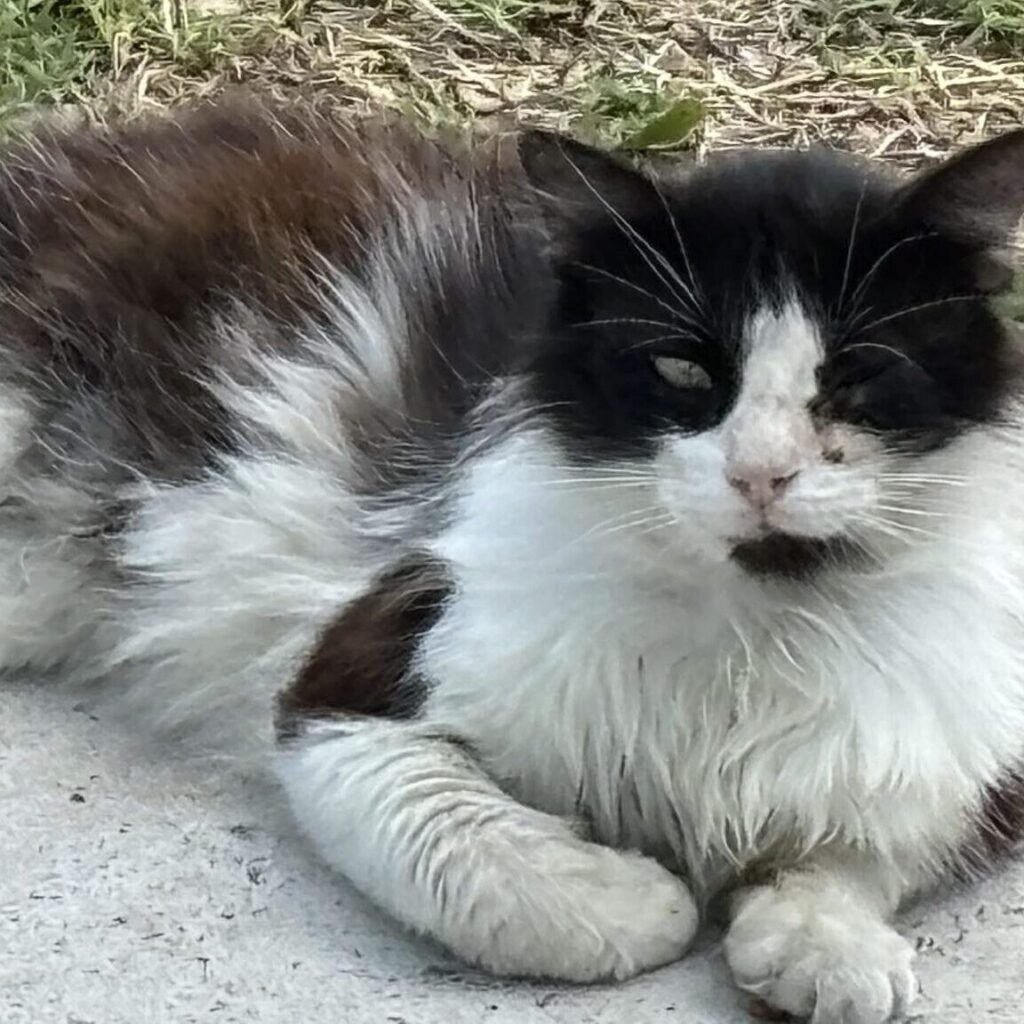
Many stories don’t start or end with rescue — they begin with abandonment and abuse, and end in suffering and silence.
Dogs left behind when families move away. Cats wandering neighborhoods after their owners stopped feeding them. Horses left in barren fields without food or water, waiting for help that never comes.
And then there are the ones who weren’t just forgotten — but deliberately harmed. Beaten, starved, tied outside in the heat without shelter, or thrown away when they were no longer useful. Each act of cruelty leaves a mark, not just on the animal, but on all of us who know it could have been prevented.
Every day, good people find them — confused, trembling, still waiting by the door for the ones who hurt them. Their eyes carry a question we can’t ignore: Why does no one stop this from happening again?
Too often, cruelty hides in plain sight. A neighbor hears barking but assumes someone else will call. A rescuer tries to report abuse but hits a dead end. An animal suffers while agencies work in isolation, each holding part of the truth but never the whole.
That’s why Eyes for Mercy is building something new — a system where compassion and information finally meet. A public reporting network where anyone can share what they see, where cruelty can’t hide behind silence, and where patterns of abuse are visible before another animal is lost.
Because of Those Left Uncounted
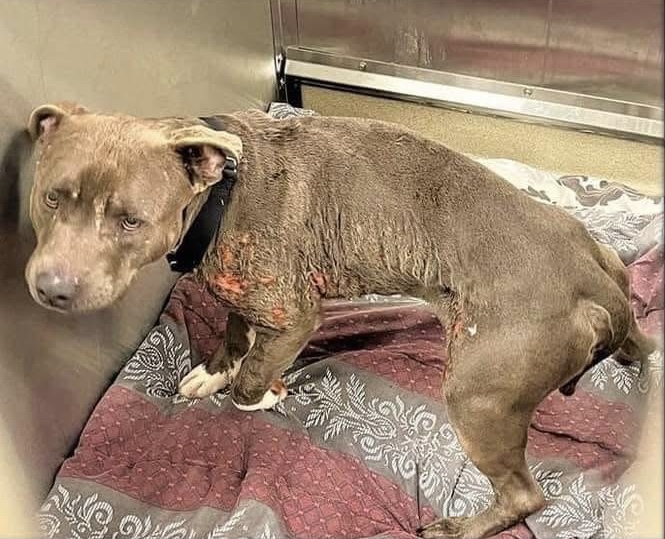
The cruelty isn’t always visible. It hides in unshared shelter files, unconnected police reports, and new names given each time an abuser crosses county lines. For the animals, that silence is deadly. For those who care, it’s unbearable.
Eyes for Mercy was born out of that silence — out of the sleepless nights spent wondering why help didn’t come sooner. We’ve seen the dogs trembling in cages that should’ve been safe, the horses left to starve after “warnings,” the cats rescued from homes that had already been raided once before.
Each time, one question haunted us: How could this keep happening? It wasn’t just a lack of connection. It was a lack of compassion — the kind that turns away when it’s inconvenient or assumes someone else will act. In that space, cruelty moved freely, finding new victims each time.
So we built Eyes for Mercy to change that, to connect what compassion alone could not, bringing law enforcement, shelters, rescuers and advocates together before it’s too late.
Because the ones we couldn’t save still teach us. Their stories show that every act of cruelty leaves a trace — one we can learn from and prevent next time.